
Old bricks in monastery or empire size
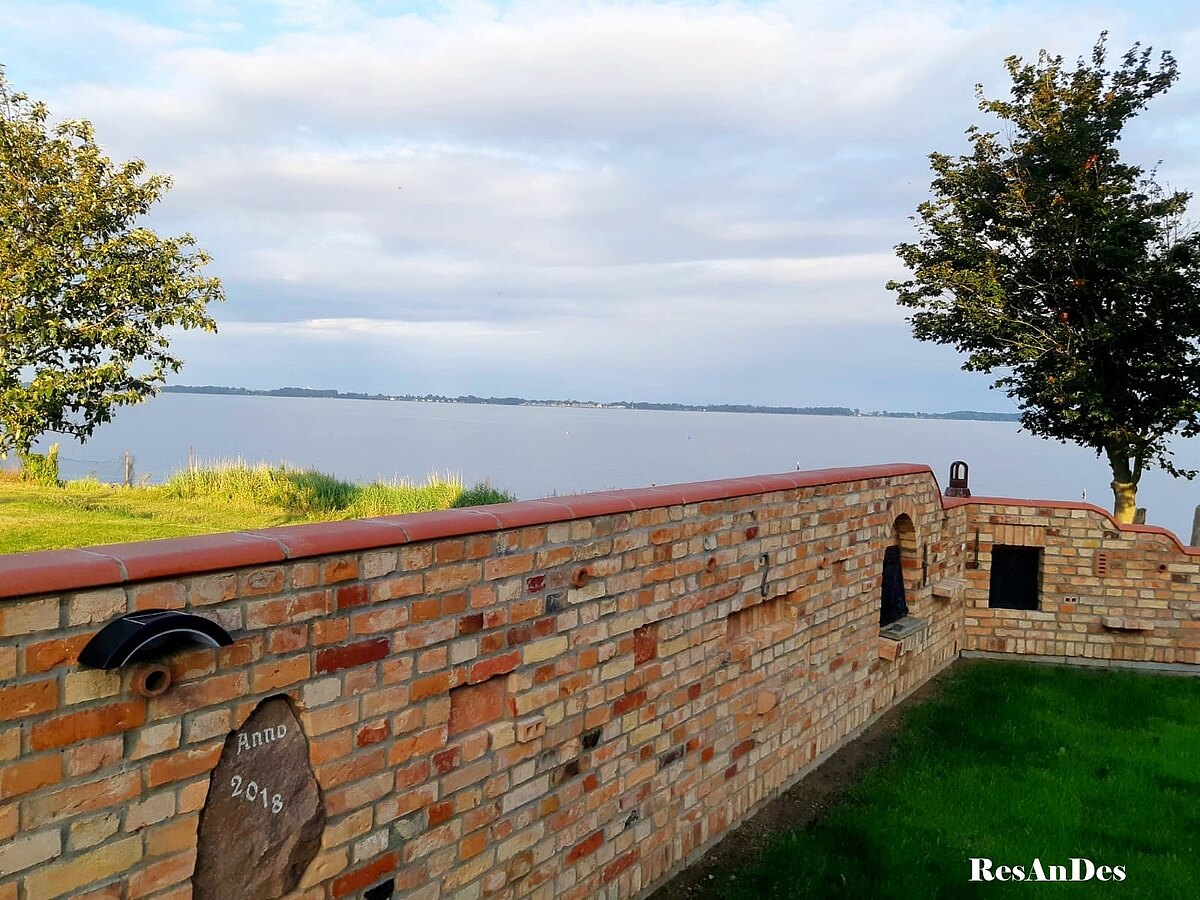
Ideal for a paved path or a stunning ruin-style wall
You are looking for old and historic bricks?
ResAnDes is the perfect partner for you!
We deliver old bricks and clinker from selective dismantling.
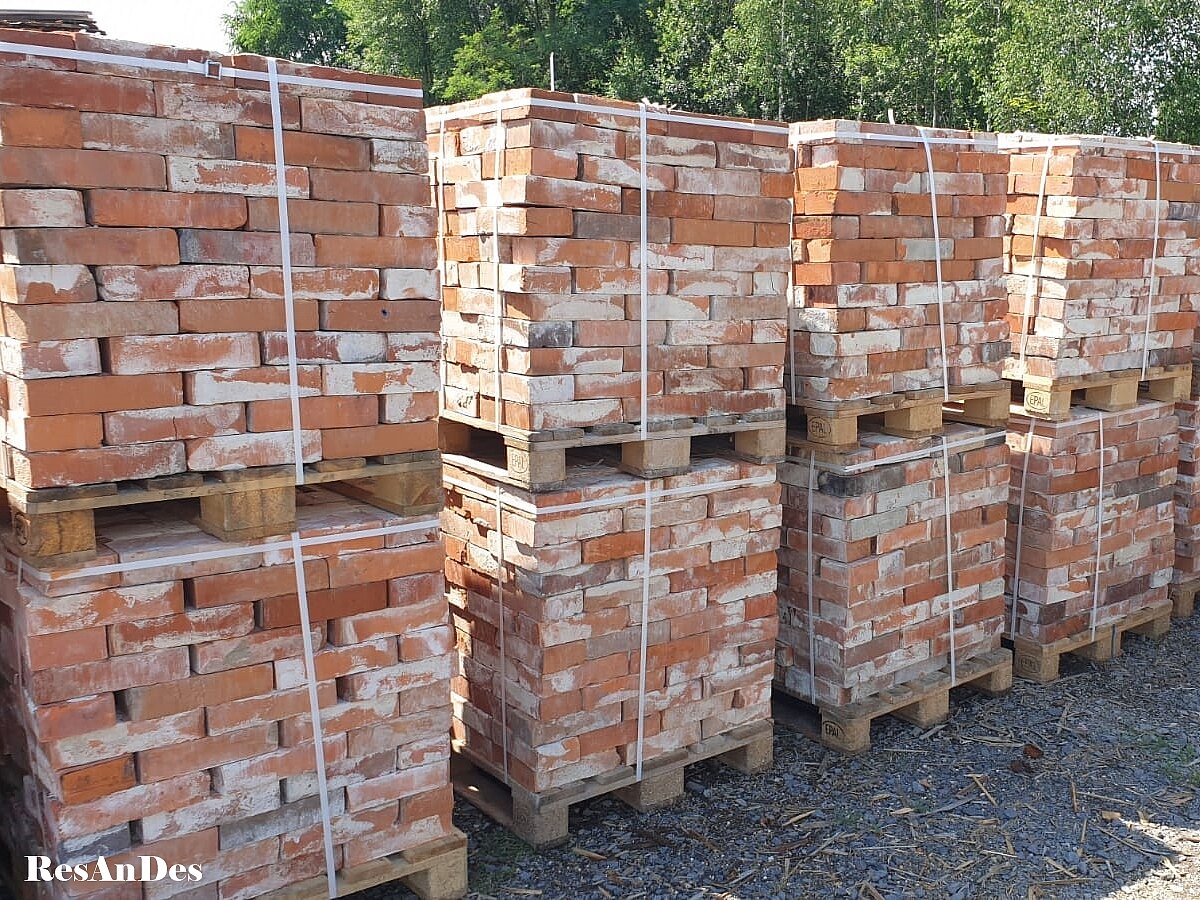
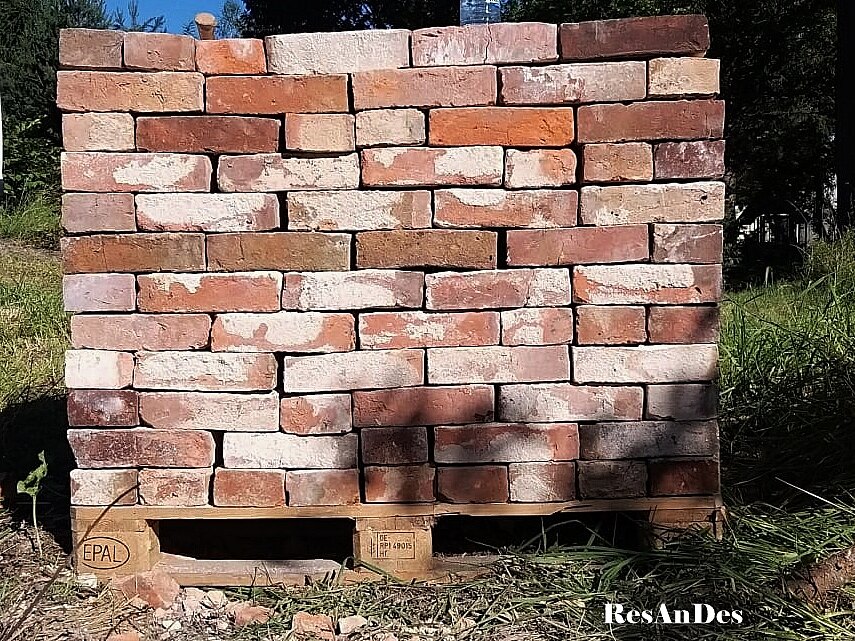
The bricks are mechanically cleaned and are available in different colors and tints.
With our used demolition bricks you will find the optimal solution for your building project, because old bricks are unique, diverse and durable.
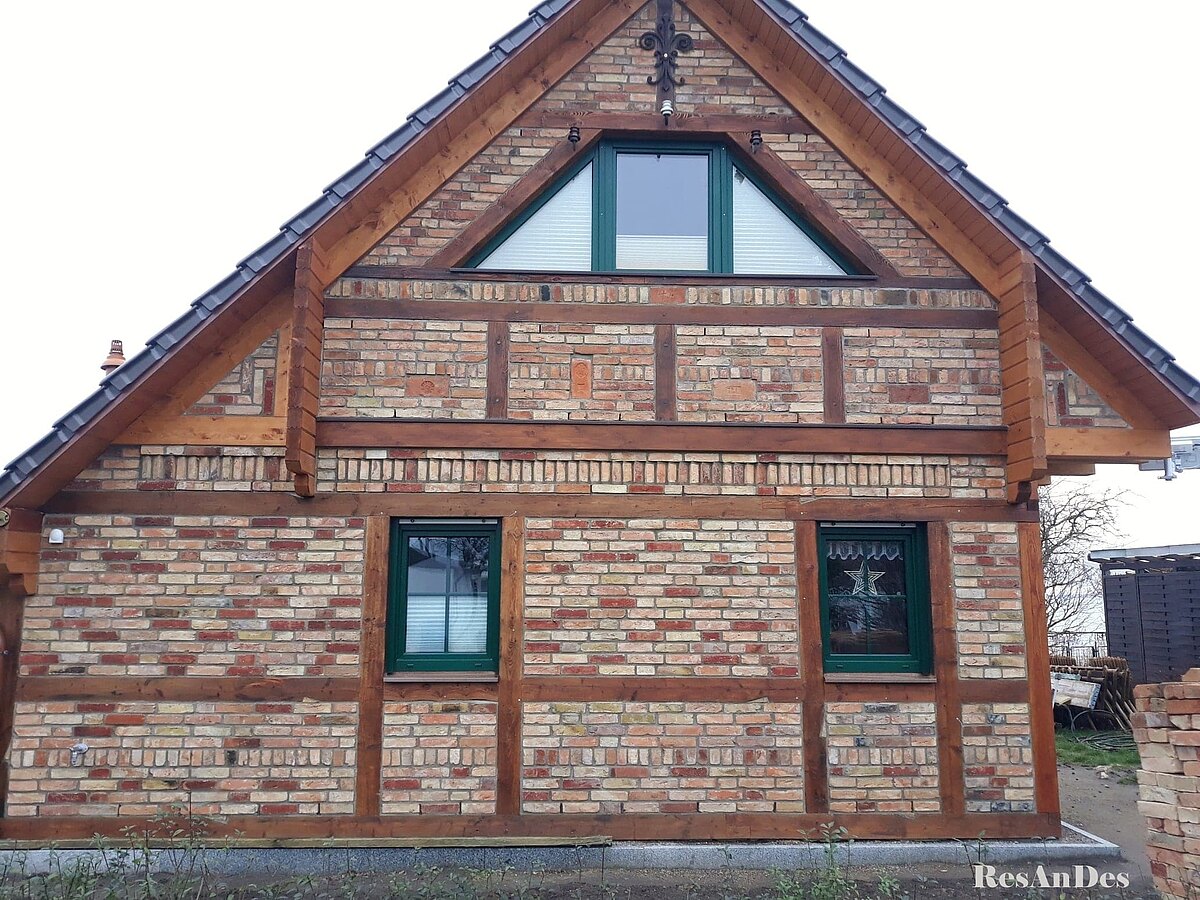
Each brick has a unique surface, which not only gives your wall or facade a very special nostalgic charm, but is also resource-saving and ecological.
Have we piqued your interest?
Then request our price lists - PDF now!
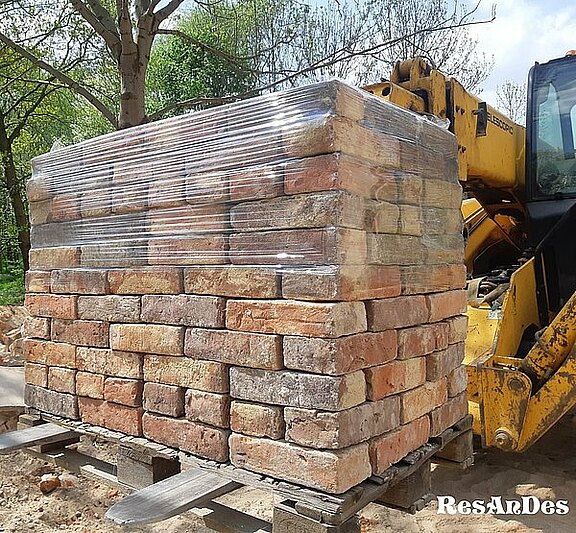
Genuine historical wall bricks in the old empire size
Old wall bricks are perfect for building a traditional façade or a decorative, Mediterranean garden design. Let your imagination run wild and use our bricks for a paved path or a stunning ruin-style wall in your garden.
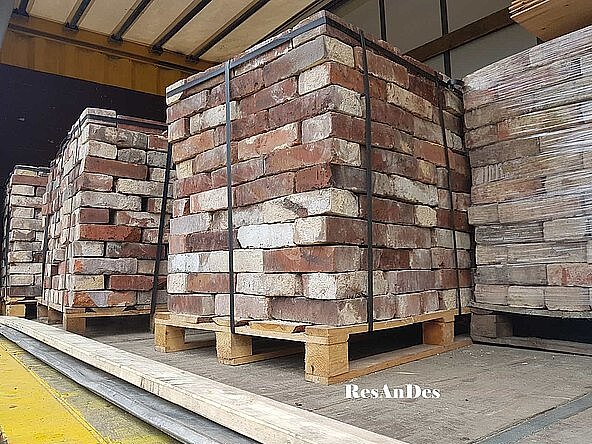
Shipping Europe-wide. Prices and available amounts on request. Please state in your request if you have unloading possibilities on site.
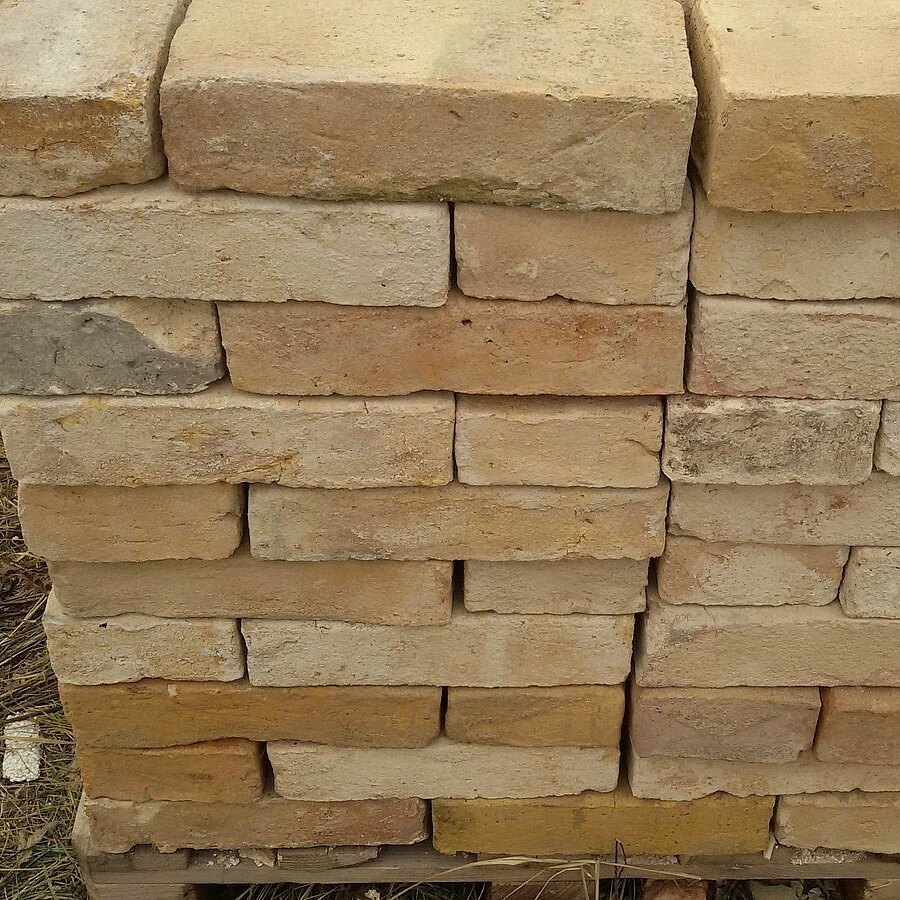
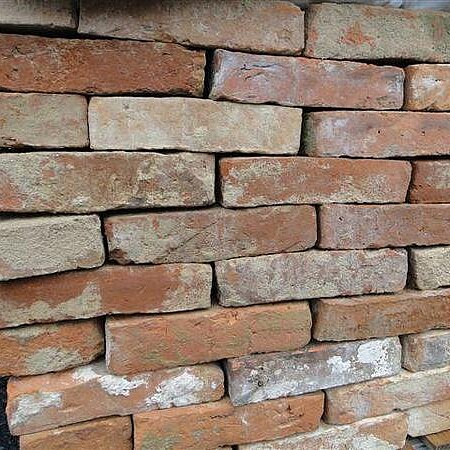
Original Historic Masonry Bricks in Monastic Format
We offer our monastic-format bricks in a wide range of colors, including rustic red bricks. The shades range from soft yellow to expressive dark red, making them perfect for rustic construction projects. The monastic bricks vary in length, width, and height, allowing them to be ideally suited for different building projects and applications, especially those requiring various dimensions.
Prices and available delivery quantities are provided upon request.



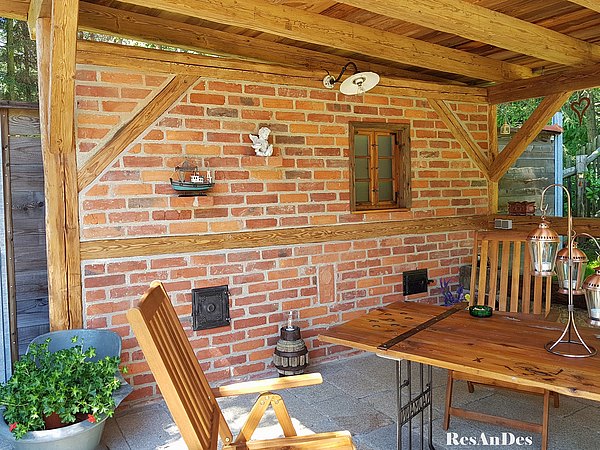
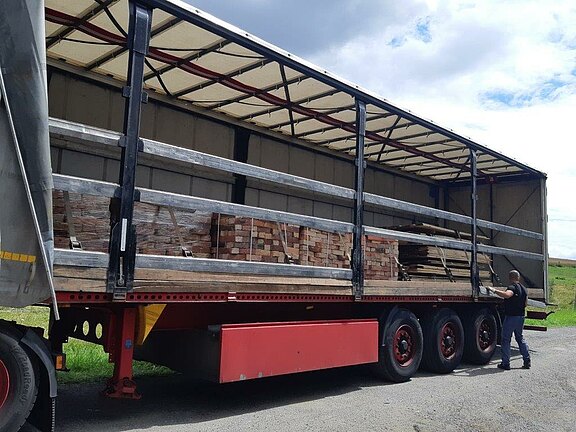
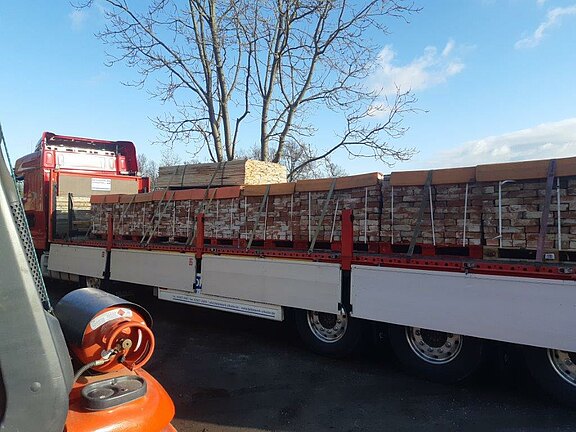
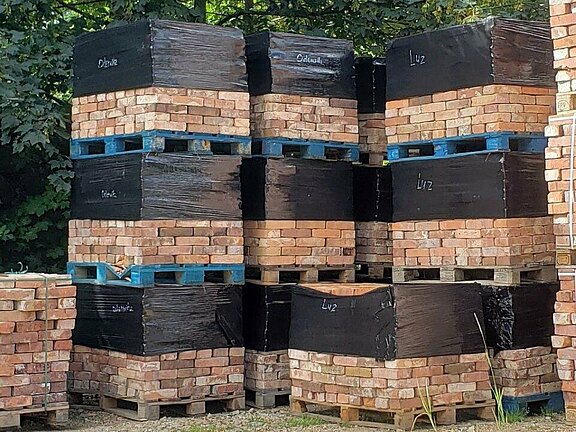
Historic Building Materials and Old Bricks – The Charm of Past Eras
Dive into the Fascinating World of Past Centuries
Step into the captivating world of bygone centuries, where building materials were not only functional but also artistic and steeped in history. Our passion lies in preserving and rediscovering historic materials, particularly old bricks, which bear the marks of times gone by.
On our website, you can learn not only about the significance of old bricks but also how these authentic materials can serve as a sustainable and aesthetically appealing solution for modern construction projects. Explore the variety of our carefully selected historic bricks, which carry the past while enriching the character and uniqueness of your building projects.
Browse through our gallery and be inspired by the unique textures, colors, and shapes of our historic building materials, including old bricks. Whether you are a lover of historic buildings, restoring a monument, or adding timeless charm to a new construction, you will find the right materials with us, including rustic bricks.
Immerse yourself in the world of historic building materials and be captivated by the beauty of bygone times. For questions or further information, we are always happy to assist you. Enjoy discovering our old bricks!
Purchase of Old Bricks, Clinker Bricks, and Clinker Blocks
At ResAnDes, we are always interested in purchasing clinker bricks and clinker blocks to continuously expand our range of historic building materials, including old masonry bricks. We also welcome inquiries regarding antique bricks or roof tiles.
Use our form to sell your bricks and clinker bricks!
General and Frequently Asked Questions About Historic and Old Bricks
The price of a masonry brick can vary greatly depending on type, quality, and region. In general, the cost per brick ranges between €0.50 and €2.00. Factors that influence the price include:
- Material: Different materials such as clay bricks, sand-lime bricks, or aerated concrete have varying prices.
- Format and size: Larger bricks are generally more expensive than smaller ones.
- Quality: High-quality bricks with better insulation and strength properties cost more.
- Manufacturer and brand: Well-known brands and specialized manufacturers often charge higher prices.
- Regional differences: Transport costs and local market conditions can affect prices.
Example prices for different masonry bricks:
- Clay bricks: €0.60 – €1.20 per piece
- Sand-lime bricks: €0.50 – €1.00 per piece
- Aerated concrete: €1.00 – €2.00 per piece
Additional cost factors:
When building a house or a wall, additional costs besides the material should be considered:
- Delivery costs: Transport costs vary depending on distance and quantity.
- Processing costs: Costs for mortar, labor, and possibly special tools.
Tips to reduce costs:
- Compare prices: Different suppliers often have different prices, so compare multiple offers.
- Take advantage of bulk discounts: Many manufacturers and dealers offer discounts for larger orders.
- Check local suppliers: Local providers are often cheaper due to lower transport costs.
With careful planning and comparison of offers, you can efficiently calculate the costs for masonry bricks and implement your construction project cost-effectively.
Historic Brick Shapes and Formats
Bricks have been a central building material for centuries and have evolved over time in size, shape, and composition. Historic brick formats vary greatly depending on region, era, and purpose. Here is an overview of some of the most well-known brick formats:
Roman Format (Römerformat)
The Roman format was widespread in antiquity and is characterized by its flat, rectangular shape. These bricks were often used in aqueducts and other large structures of the Roman Empire. Typical dimensions were approximately 40 x 28 x 5 cm.Monastic Format (Klosterformat)
In the Middle Ages, the monastic format was used in monasteries and churches. These bricks are relatively large and solid, providing high stability. A common size is 28 x 15 x 9 cm, though many variations existed.Reich Format (Reichsformat)
The Reich format emerged in the 19th century during industrialization and the introduction of standardized dimensions. This format was particularly common in Germany, typically measuring 25 x 12 x 6.5 cm, and was often used for residential buildings.Oldenburg Format (Oldenburger Format)
The Oldenburg format is a regional variant used in northwest Germany. It resembles the Reich format but is slightly larger, usually 24 x 11.5 x 7 cm.Wittmund Format (Wittmunder Format)
Another regional format is the Wittmund brick format from the Frisian region. These bricks are generally 22 x 10.5 x 4.5 cm and are known for their long durability.Danish Format (Dänenformat)
The Danish format, common in northern Germany and Scandinavia, measures 23 x 11 x 5.5 cm. It was often used for farmhouses and manors.Standard Format (Normalformat)
In the 20th century, the standard format became widespread, standardized in Germany at 24 x 11.5 x 6.5 cm. This format is still frequently used today and served as the basis for many modern brick formats.
These historic brick formats reflect the building culture and technological possibilities of their respective eras. They are not only functional building blocks but also witnesses to history and regional construction practices.